You launched your website. You shared it on social media. Maybe you even invested in a beautiful design. But weeks—or even months—later, your analytics show the same disappointing result: almost no organic traffic.
If this sounds familiar, you’re not alone.
Whether you’re a small business owner, startup, or looking for a freelance website designer, having a beautiful website alone isn’t enough. If your website isn’t visible on Google, your potential customers may never find you.
As a digital marketing freelancer and SEO specialist, I’ve seen many businesses invest in great-looking websites that receive little to no organic traffic because the right SEO foundations were never put in place.
What Is Organic Traffic?
Organic traffic refers to visitors who find your website through unpaid search engine results on platforms like Google or Bing.
Unlike paid ads, organic traffic doesn’t stop the moment you stop spending money. That’s why it’s considered one of the most valuable long-term marketing strategies for businesses, freelancers, and entrepreneurs.
A well-optimized website can generate leads, inquiries, and sales for years.
Why Most Websites Don’t Rank
Many website owners assume that simply publishing a website is enough.
Unfortunately, Google doesn’t rank websites just because they exist.
A well-structured website created by an experienced freelance web designer makes it easier for search engines to crawl, understand, and rank your pages.
Search engines rank websites that provide valuable, relevant, trustworthy, and technically sound content.
Let’s look at the biggest reasons websites fail to gain organic visibility.
1. They Target the Wrong Keywords
One of the most common SEO mistakes is creating content without researching what people are actually searching for.
Imagine writing a blog titled:
“Creative Ideas for Online Success”
It sounds interesting—but very few people search for that exact phrase.
Instead, people search for terms like:
- How to grow a small business online
- SEO tips for beginners
- Website design for small business
- Content marketing strategy
Understanding search intent is essential.
Before writing any page or blog post, research keywords that match your audience’s questions.
2. Thin or Generic Content
Google’s goal is simple:
Provide users with the best possible answer.
If your content only scratches the surface or repeats information available everywhere else, it has little reason to rank.
Instead of writing:
“SEO is important for businesses.”
Explain:
- Why SEO matters
- How it works
- Common mistakes
- Practical solutions
- Real examples
Depth builds trust.
Helpful content earns rankings.
3. Poor Website Structure
Whether you’re working with a web design agency or a freelance website designer in India, your website should be built with both users and search engines in mind. A strong site architecture improves usability while helping Google understand the relationship between your pages.
A well-structured website helps both users and search engines understand your content.
Your site should have:
- Clear navigation
- Logical page hierarchy
- Internal links between related pages
- SEO-friendly URLs
- Organized categories
When visitors can easily find information, they stay longer—and that’s a positive signal for search engines.
4. Slow Loading Speed
People expect websites to load within seconds.
If your pages are slow, visitors leave before they even read your content.
Slow websites also affect search rankings.
Improve your website by:
- Compressing images
- Using modern image formats
- Reducing unnecessary plugins
- Enabling browser caching
- Choosing reliable hosting
Speed improves both user experience and SEO performance.
5. No Consistent Blogging Strategy
Many businesses publish one or two blog posts and then stop.
SEO rewards consistency.
Every quality article creates another opportunity for Google to discover your website.
A consistent blog also helps you:
- Target more keywords
- Build topical authority
- Answer customer questions
- Attract backlinks naturally
Instead of publishing randomly, create a content calendar and stick to it.
6. Ignoring On-Page SEO
Every page should be optimized properly.
This includes:
- Keyword-focused titles
- Meta descriptions
- Proper heading structure (H1, H2, H3)
- Image alt text
- Internal links
- Descriptive URLs
These elements help search engines understand your content while improving the user experience.
7. No Backlinks
Think of backlinks as recommendations from other websites.
When trusted websites link to your content, Google sees your website as more credible.
Some effective ways to earn backlinks include:
- Publishing original research
- Writing guest posts
- Creating useful resources
- Sharing case studies
- Producing high-quality educational content
Remember, quality matters far more than quantity.
8. Not Understanding Search Intent
Every search has a purpose.
Someone searching:
“What is SEO?”
Needs education.
Someone searching:
“Hire SEO expert”
Is ready to make a decision.
If your content doesn’t match the user’s intent, it won’t perform well.
Always ask yourself:
What problem is the reader trying to solve?
Then create the best possible answer.
9. Weak User Experience
SEO isn’t just about keywords anymore.
Google also considers how users interact with your website.
A good user experience includes:
- Mobile-friendly design
- Readable typography
- Easy navigation
- Clear calls-to-action
- Helpful content
- Minimal distractions
Happy visitors often become loyal customers.
10. Expecting Instant Results
Perhaps the biggest mistake is expecting SEO to work overnight.
Unlike paid advertising, SEO is a long-term investment.
It may take several months before you notice significant improvements.
But once your content starts ranking, the rewards can continue for years.
Consistency almost always beats shortcuts.
How to Start Getting Organic Traffic
If your website isn’t receiving traffic today, don’t panic.
Start with these practical steps:
- Research keywords before creating content.
- Post one high-quality blog every week.
- Improve your website’s loading speed.
- Optimize every page for search engines.
- Link related articles together.
- Create genuinely helpful content.
- Build backlinks naturally.
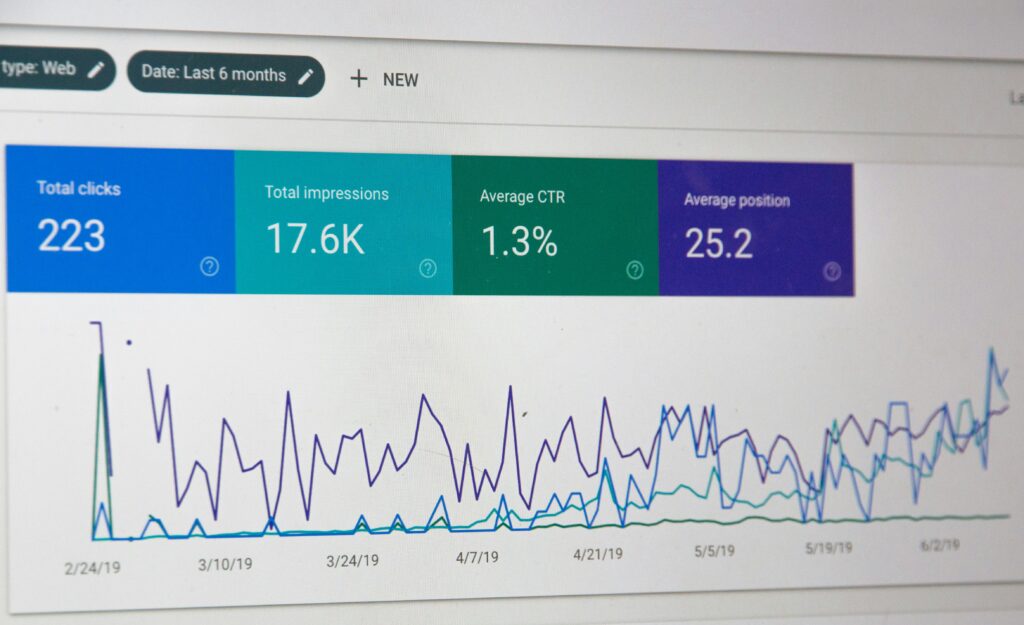
- Track your performance using Google Search Console and Google Analytics.
Small improvements made consistently lead to significant long-term growth.
Organic Traffic Is Built on Trust
Google’s mission is to deliver the most helpful and reliable information to users.
Instead of trying to “beat the algorithm,” focus on becoming the best answer to your audience’s questions.
Create content that educates.
Solve real problems.
Update older articles regularly.
Make your website easy to use.
When you consistently provide value, search engines notice—and so do your visitors.
SEO and Website Design Work Together
Many people treat website design and SEO as separate services.
They aren’t.
A well-designed website combined with a solid SEO strategy creates a better experience for visitors while increasing your chances of ranking on Google.
Whether you’re launching a new business or redesigning an existing website, investing in professional website design, SEO services, and content marketing can help you attract more qualified visitors over time.
Final Thoughts
If your website isn’t getting organic traffic yet, don’t assume it’s failing.
Most websites struggle because they overlook the fundamentals of SEO, content quality, and user experience.
The encouraging part is that these issues are fixable.
By understanding your audience, creating valuable content, optimizing your website, and staying consistent, you can gradually build the visibility and authority that lead to sustainable organic growth.
Remember, every high-ranking website started with zero visitors. The difference is that they kept improving, publishing, and learning over time.
The best time to improve your SEO was yesterday. The second-best time is today.
Ready to Grow Your Website?
Getting organic traffic isn’t about luck—it’s about having the right strategy.
If you’re looking for a freelance website designer, SEO specialist, or digital marketing freelancer to help improve your online presence, I’d love to help.
On my website, you’ll find practical guides on:
- SEO strategies
- Website design
- Content marketing
- AI for business
- Digital marketing
- Online business growth
👉 Visit: https://shailjasharma.com
Or explore my latest articles:
🌐 https://shailjasharma.com/blog

3 Comments